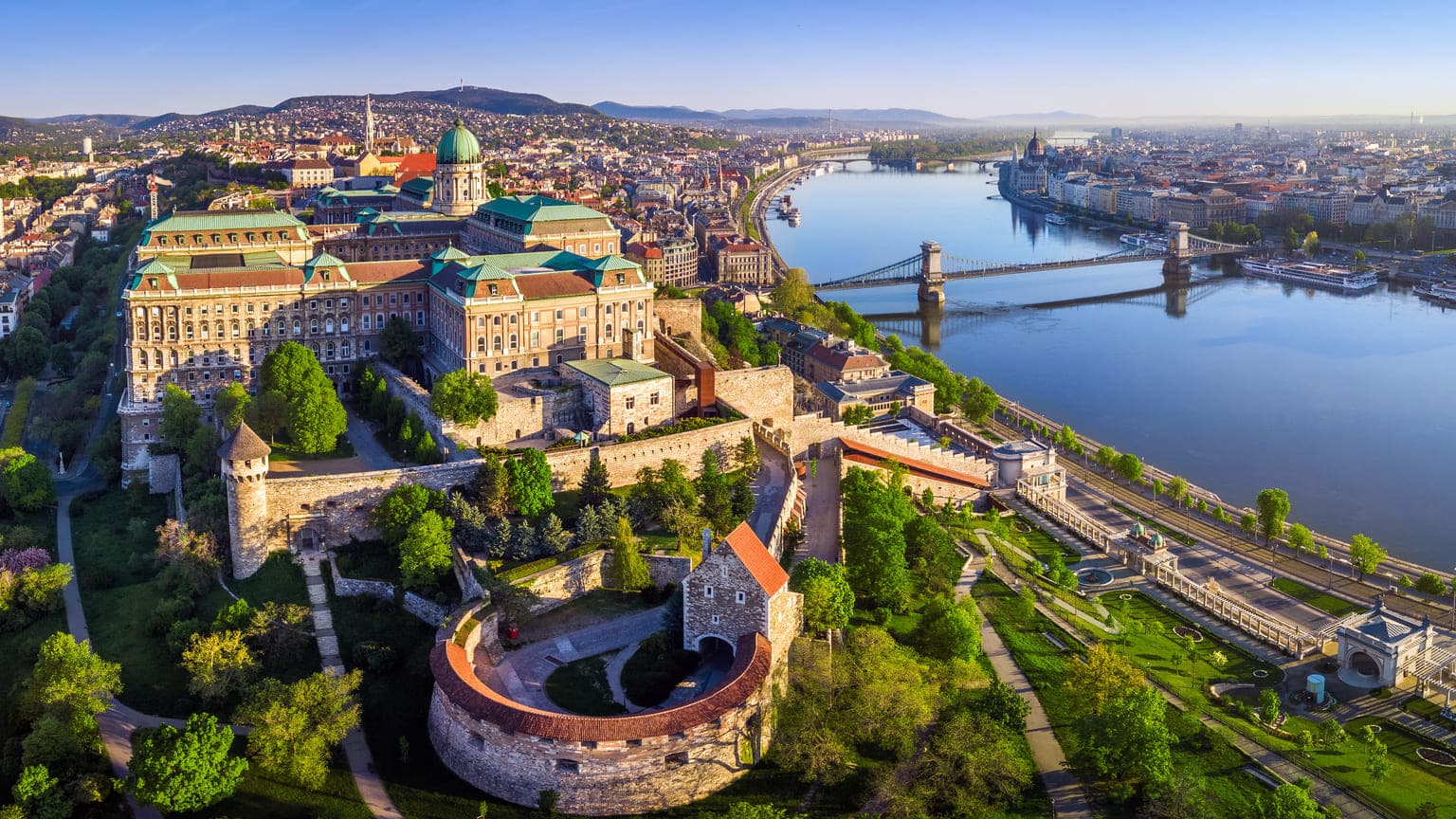
Living in Hungary as an Expat in 2026 — Costs, Healthcare, Education, Climate
Hungary continues to attract expatriates from around the world thanks to its affordable living costs, rich cultural heritage, and strategic location in Central Europe. By 2026, the country has become an increasingly appealing destination for international students, remote workers, entrepreneurs, and retirees who want to enjoy European life without the extremely high expenses found in many Western European countries.
From the historic streets of Budapest to the peaceful university towns like Szeged and Debrecen, expatriates can experience a comfortable lifestyle supported by modern infrastructure, reliable healthcare, and strong education systems.
This guide explores what it is like living in Hungary as an expat in 2026, covering the most important aspects: costs, healthcare, education, and climate.
Cost of Living in Hungary
One of the biggest reasons expatriates move to Hungary is the relatively low cost of living compared to many other European countries.
Although prices have gradually increased in recent years, Hungary still remains more affordable than countries such as Germany, France, or Netherlands.
Housing Costs
Accommodation prices depend on the city and type of housing. The most expensive area is usually the capital city, Budapest.
Average monthly rent in 2026:
-
City center apartment: €600 – €1,000
-
Outside city center: €400 – €700
-
Student dormitory: €150 – €350
Smaller cities such as Pécs or Debrecen offer even cheaper accommodation.
Food and Daily Expenses
Groceries are reasonably priced, especially if you shop at local markets and supermarkets. Many expatriates enjoy visiting traditional Hungarian markets to buy fresh vegetables, fruits, meat, and dairy products.
Estimated monthly expenses for groceries:
-
Single person: €150 – €250
-
Couple: €300 – €450
Dining at restaurants is also relatively affordable compared to other European capitals.
Transportation
Public transportation in Hungary is efficient and well-developed. Cities like Budapest offer metro lines, buses, trams, and suburban trains.
Monthly transport pass prices:
-
Students: around €10 – €15
-
Adults: around €25 – €35
This makes commuting very convenient for both students and working professionals.
Healthcare System in Hungary
Hungary has a well-developed healthcare system that includes both public and private services.
The national healthcare system is managed by the National Health Insurance Fund of Hungary, which provides healthcare coverage to residents who contribute through employment or social insurance.
Public Healthcare
Public hospitals and clinics provide a wide range of medical services including:
-
General medical care
-
Emergency treatment
-
Specialist consultations
-
Surgical procedures
Many expatriates who work in Hungary receive public healthcare coverage through their employers.
Private Healthcare
Private healthcare is also widely available and often preferred by expatriates because of shorter waiting times and English-speaking doctors.
Private clinics are especially common in Budapest and other large cities. Consultation fees typically range between €40 and €100 depending on the specialist.
Many expats purchase private health insurance to access these services easily.
Education Opportunities
Hungary offers strong educational opportunities for both local residents and international families.
The country has a well-established academic tradition and several internationally recognized universities.
Some well-known institutions include:
-
Eötvös Loránd University
-
University of Debrecen
-
University of Szeged
-
Budapest University of Technology and Economics
These universities attract thousands of international students each year, particularly through scholarship programs such as the Stipendium Hungaricum Scholarship Programme.
International Schools
For expatriates with children, Hungary also offers several international schools that follow global curricula such as:
-
British education systems
-
American international programs
-
International Baccalaureate (IB)
Most international schools are located in Budapest, where the expatriate community is largest.
Climate and Weather
Hungary has a continental climate, which means the country experiences four distinct seasons throughout the year.
Spring (March – May)
Spring in Hungary is mild and pleasant. Temperatures usually range between 10°C and 20°C. Parks and outdoor cafés become popular places for residents and students to relax.
Summer (June – August)
Summers can be warm, with temperatures often reaching 25°C to 35°C. During this season, many people visit lakes such as Lake Balaton, which is a popular holiday destination.
Autumn (September – November)
Autumn is cooler and very scenic. The countryside becomes colorful with changing leaves, making it a great time for outdoor activities and travel.
Winter (December – February)
Winters in Hungary can be cold, with temperatures sometimes dropping below freezing. Snowfall occasionally occurs, especially in northern regions.
Despite the cold weather, cities like Budapest become magical during the winter holiday season with Christmas markets and festive lights.
Expat Community and Lifestyle
Hungary has a growing expatriate community made up of professionals, students, and entrepreneurs from different parts of the world.
Many expats choose to live in districts around central Budapest because of its vibrant culture, nightlife, and international restaurants.
Popular activities among expatriates include:
-
Exploring historical landmarks
-
Visiting thermal baths
-
Enjoying Hungarian cuisine
-
Traveling to nearby countries such as Austria and Slovakia
Hungary’s central European location makes it easy to travel to other major cities such as Vienna and Bratislava.